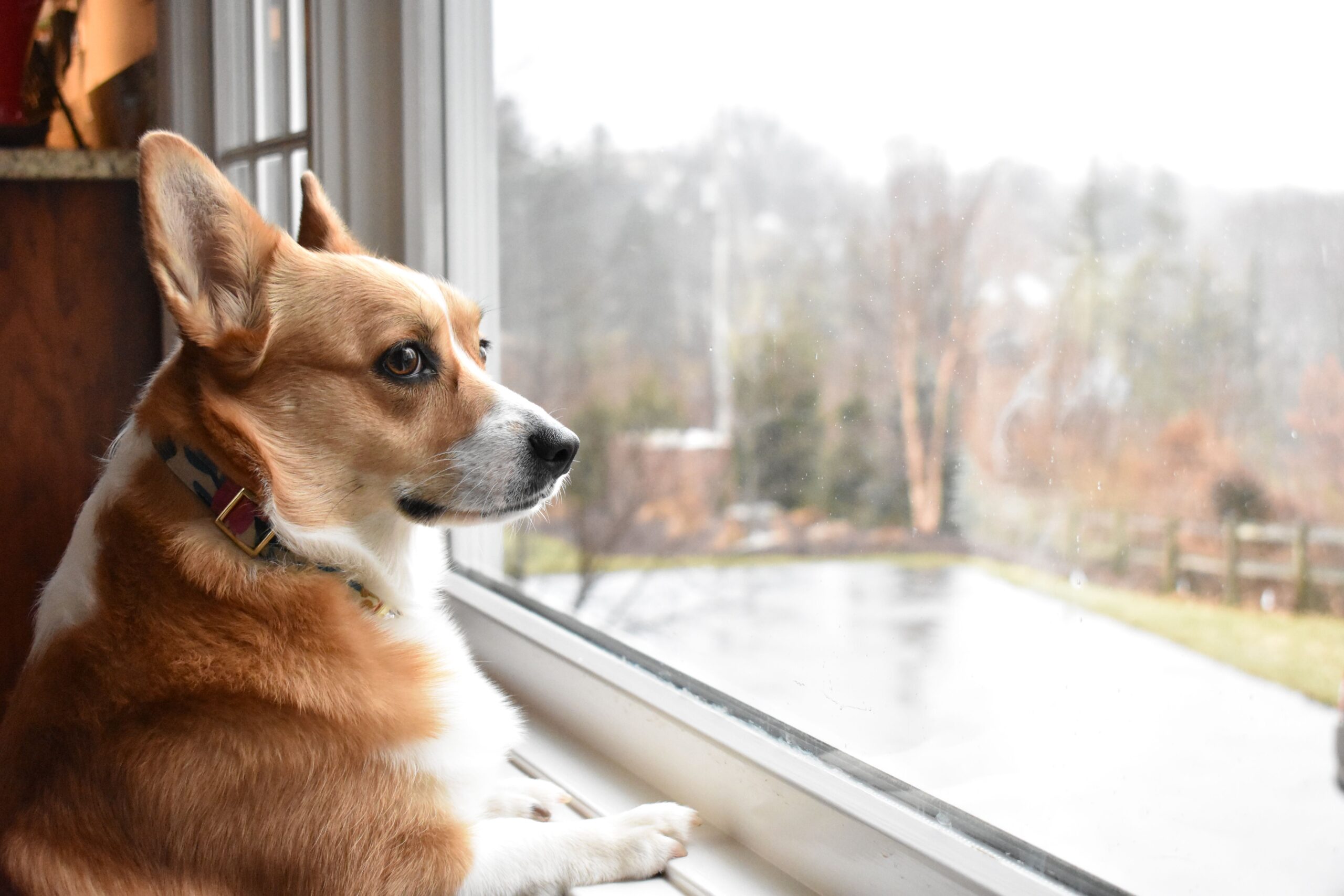
Separation anxiety is common, especially in dogs who are deeply bonded with their humans. It can show up as whining, barking, chewing, pacing, or accidents in the house when left alone—even for short periods. If your dog struggles with being apart from you, you’re not alone, and there are ways to help.

  • Establish a Leaving Routine

    Start by creating a calm, consistent routine when you leave. Keep goodbyes low-key and avoid big emotional farewells. Over time, your dog will learn that you leaving doesn’t mean they’re being abandoned.

  • Practice Short Absences

    Desensitize your dog by stepping out for short periods and gradually increasing the time you’re gone. Start with just a few minutes and build from there.

  • Use Enrichment While You’re Away

    Provide puzzle toys, treat-stuffed Kongs, or soothing music when you’re out. These distractions can help ease anxiety and make your departure a more positive experience.

  • Don’t Punish Anxiety Behaviors

    If your dog has an accident or chews something while you’re away, avoid punishment—it can worsen their stress. Instead, focus on positive reinforcement when they handle alone time well.

  • Create a Safe Space

    Many dogs feel more secure in a specific area of the home. A cozy crate, gated room, or familiar bedding can help your pup feel calm and protected.

  • Consider Calming Aids

    Talk to your vet about calming sprays, supplements, or anxiety wraps. In more severe cases, professional behavior training or medication may be recommended.

“Separation anxiety is a condition that is both manageable and treatable with time, patience, and consistency. A dog’s emotional well-being is just as important as their physical health.”

-American Veterinary Medical Association

Categories: Behavior

Share This Story, Choose Your Platform!

Professional Pet Care

Pet owners trust us to look after the needs of their beloved companions. We are specialists committed to delivering the very highest of veterinary care and affection.