
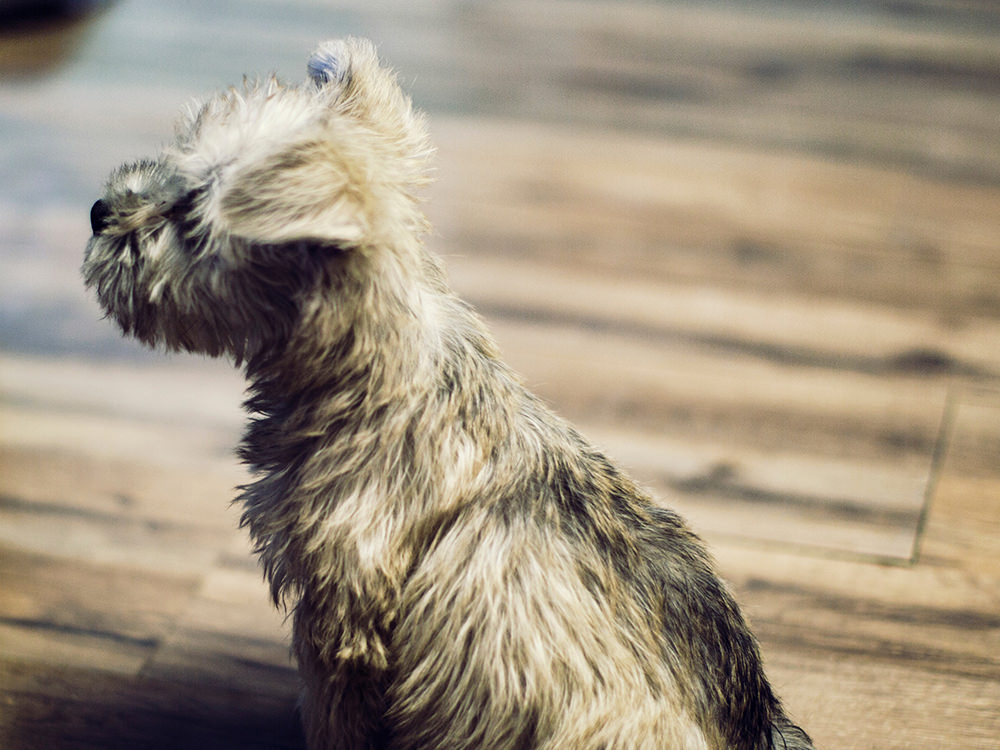
It’s easy to overfeed small dogs—especially when they give those big, adorable eyes at mealtime. But extra weight can cause serious health issues, including joint pain, heart disease, diabetes, and a shortened lifespan. Because of their size, just a few extra pounds can have a significant impact on a small dog’s health.
The best way to prevent obesity is through portion control and proper nutrition. Always measure your dog’s food based on their weight, age, and activity level, using guidelines from your vet or the pet food label as a starting point. Avoid free-feeding (leaving food out all day), and be mindful of treats—they should make up no more than 10% of their daily calories. Opt for healthy options like small bits of carrots or green beans instead of high-fat commercial treats.
Regular exercise is just as important. Daily walks, indoor play, and mental stimulation help keep your pup fit and burn off excess calories. If your dog has slowed down or gained weight, a vet visit can help rule out medical issues and create a safe weight loss plan.
As Dr. Ernie Ward, DVM, a veterinary obesity specialist, says, “Obesity is the number one health threat pets face today. The good news? It’s entirely preventable.” Keeping your small dog at a healthy weight ensures they live a longer, happier, and more active life by your side.
Services

