
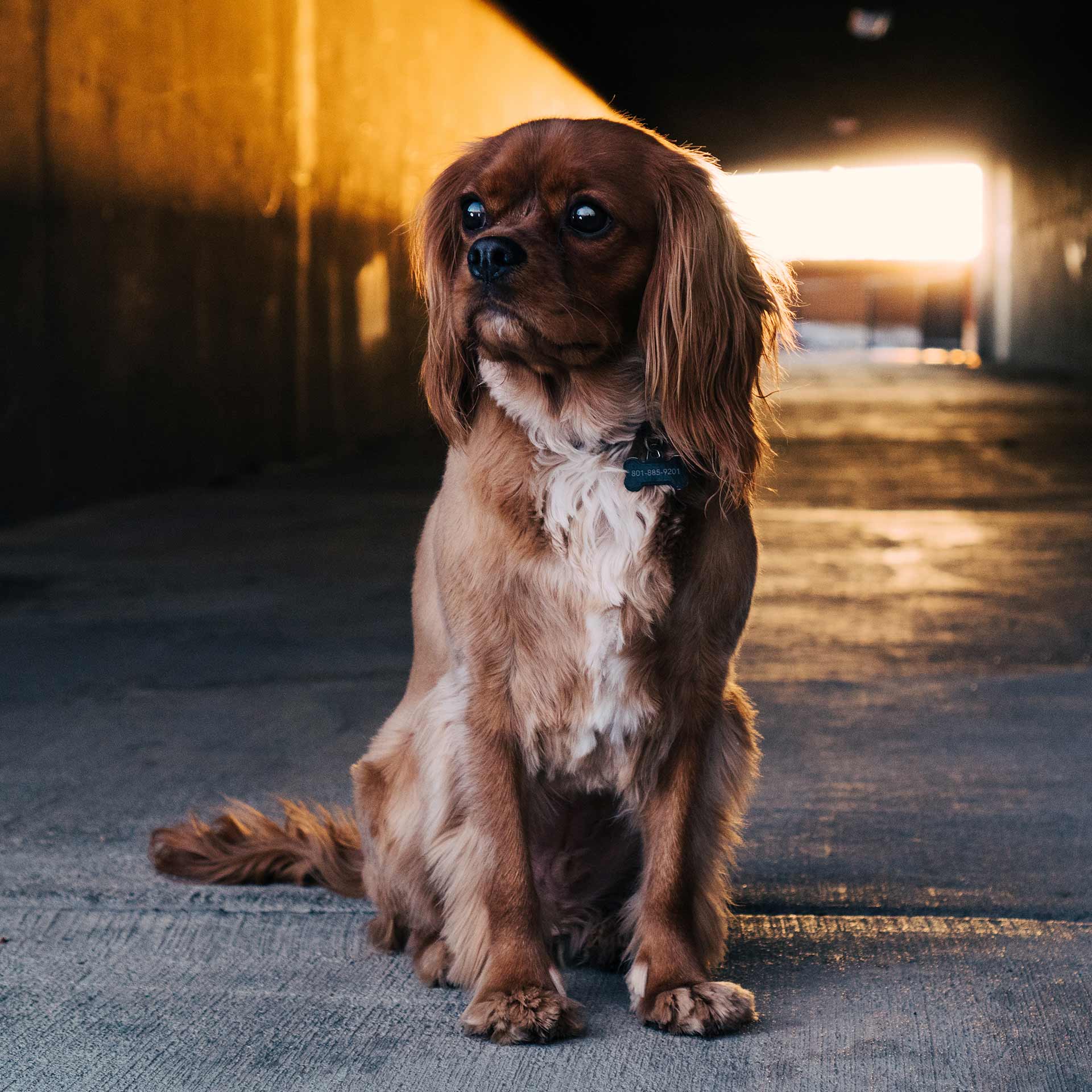
Small dogs might be tiny in stature, but they have a full range of body language cues that help communicate how they’re feeling. Learning to read these subtle signs can help you better meet their needs and build a stronger bond. One of the first things to watch is their tail—if it’s held high and wagging, they’re usually excited or confident. A tucked tail typically signals fear or submission, while a slow, stiff wag can indicate uncertainty or discomfort.
Ears and eyes also offer clues. Forward-facing ears often mean alertness or curiosity, whereas flattened or pinned-back ears suggest nervousness. A relaxed, soft gaze shows contentment, but if you see the whites of their eyes—commonly called “whale eye”—that’s usually a sign of stress. Their posture matters too: a loose, wiggly body shows comfort, while crouching or trembling indicates fear. Standing tall and stiff can sometimes mean your dog is feeling defensive or overstimulated.
Vocalizations like barking or whining aren’t always negative—it’s the context that matters. High-pitched barking often means excitement or a need for attention, but growling, especially outside of play, can be a warning sign. Don’t overlook behaviors like yawning or licking their lips—if they’re doing this when not tired or eating, it can be a subtle sign of anxiety.
Recognizing these cues allows you to respond before your dog becomes overwhelmed. As Dr. Bonnie Beaver, DVM and professor at Texas A&M University, explains, “Understanding canine body language allows owners to address a dog’s needs in real time, preventing fear-based behavior issues before they begin.” By tuning into what your small dog is expressing, you can create a more trusting, comfortable environment for them every day.
Services

